Showing posts with label energy efficiency. Show all posts

Wednesday, 17 September 2014

Fall Home Maintenance Tips

As the temperature drops and the season changes from summer to fall, homeowners have a new batch of chores and challenges to face. Here are a few things you can do now to get ready for winter. 
  • It is a great time to tidy up the yard and clean out your gutters before winter comes. Put your raked leaves and other yard waste in a compost bin and keep these materials out of landfills.
  • Keep out drafts by sealing leaky windows. You can use a heavy-duty, clear plastic sheet or tape clear plastic film to the inside of your window frames during the cold winter months.
  • Fall is the best time to clean the chimney and get vent systems checked. Pipes must be properly connected and there should be no signs of rust or damage.
  • If you have a window air conditioner unit, it is time to remove it for the winter. If the AC must stay in place, seal it with caulking or tape and cover with an airtight insulated jacket.
  • Winterize your home by caulking and weather-stripping all doors and windows. Check caulking around windows and do touch ups to reduce drafts and conserve energy. If you have questions about how to do this properly, check back here next week for our next post on how to install weather-stripping and caulking.
Happy fall to all of our customers and readers! Enjoy this beautiful season!

Monday, 2 June 2014

Tips for using your Air Conditioner Efficiently


Summer is approaching and it is time to start thinking about how you’re going to stay cool over the summer months. These tips can help you save money and energy without sacrificing cool comfort.
  • Turn the AC off or up to a higher temperature when you are away. It's a myth that it takes less energy to run the AC all day versus leaving it off and turning it on when you get home. With the AC running, it's constantly cooling your home, making it a heat magnet. More heat gets into your house and the AC has to remove that heat, over and over again. If you leave the AC off, then the house will heat up during the day and then stop heating up. When you get home and turn on the AC, it has less total heat to remove than if it had been running all day.
  • Use drapes or blinds to block out sunlight. Direct sunlight can raise the temperature of a room drastically.
  • Use a smart thermostat to save energy by increasing the heat significantly during the day when the house is empty. A smart thermostat will learn your schedule and can save you significant money and energy. 


Tuesday, 27 May 2014

Essential Water Heater FAQs


Hot water is essential in keeping your family and home comfortable, but how often do we stop to consider the source of our hot water? Your water heater is tucked away, out of sight in the basement, and it works hard to keep the hot water flowing. Despite how often we use it, we don't spend much time thinking about our water heaters until something goes wrong. The following blog is written to answer some of the most frequently asked questions about water heaters, including what to do if something goes wrong. 


How do I know if there is a problem?

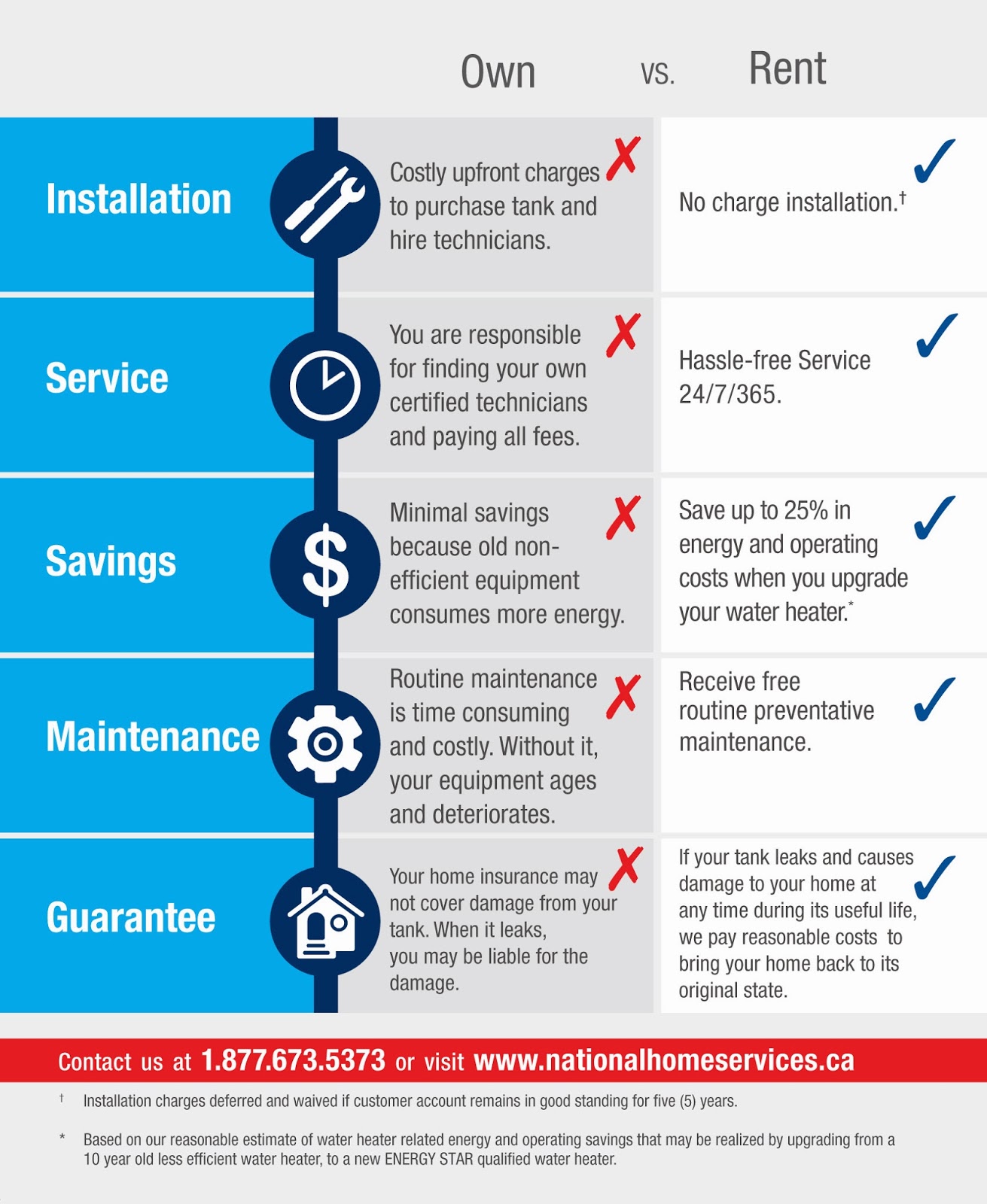
If you notice that you don't have hot water, or that it is running out very quickly, it is time to have the water heater serviced and maintained. When you rent from National Home Services, this services is included in your rental fees. Thats right, all parts and labour are included, so you get this repair service for no additional charge. If you own your water heater, you'll need to locate your own licensed and trained technician to service the tank and pay out of pocket. 

My water heater has been exposed to flooding. Is it OK to keep using it?

The AHRI (Air-Conditioning, Heating, and Refrigeration Institute)  and other national and governmental agencies, recommend  that any water heater subject to flooding must be replaced. Today’s high efficiency water heaters, utilizing sophisticated solid state controllers and components can experience unseen damage to these components, exposed and concealed wiring connectors and insulations that may not manifest itself immediately. The exposure places the safety features along with operational and structural characteristics at risk, therefore requiring replacement. 

How often should I replace the water heater?

An older water heater can be less energy efficient than a new unit. Contact your rental company or a contractor to have a water heater evaluation completed. A hot water heater needs to be replaced about once every 10 years. To get the most out of your system, annual maintenance is important. 

During these annual service visits, basic cleaning and maintenance is done to replace worn out parts and check for any looming problems with your water heater that may require replacement in the near or immediate future.

If your question is not answered here, take a look at some more informative posts below, or contact us at nationalhomeservices.ca

Types of Water Heaters
Renting your Water Heater
How Clean is Your Water? 
Why Choose an ENERGY STAR qualified water heater? 

Thursday, 15 May 2014

Spring Energy Saving Tips


Here are some tips to help you save energy during the spring when the weather warms up. Check out these simple and inexpensive actions you can take to ensure maximum savings through the spring and summer.


Keep your cooling system running efficiently 

  • Schedule regular maintenance for your cooling equipment.
  • Vacuum registers regularly to remove any dust buildup. Ensure that furniture and other objects are not blocking the airflow through your registers.


Take advantage of your windows to cool air and keep out heat. 

  • At night, turn off your cooling system and open your windows. When you wake in the morning, shut the windows and blinds to capture the cool air.
  • Install window coverings to prevent heat gain through your windows and close them on sunny days.


Operate your thermostat efficiently 

  • Set your thermostat as high as comfortably possible in the summer. The smaller the difference between the indoor and outdoor temperatures, the lower your overall cooling bill will be.
  • Keep your house warmer than normal when you are away, and only lower the thermostat setting when you are at home and need cooling. A programmable thermostat can make it easy to set back your temperature.
  • Avoid setting your thermostat at a colder setting than normal when you turn on your air conditioner. It will not cool your home any faster and could result in excessive cooling and unnecessary expense.


Use fans to distribute cool air

  • If you use air conditioning, a ceiling fan will allow you to raise the thermostat setting with no reduction in comfort.
  • Turn off ceiling fans when you leave the room. Remember that fans cool people, not rooms, by creating a wind chill effect.
  • When you shower or take a bath, use the bathroom fan to remove the heat and humidity from your home. 


Tuesday, 22 April 2014

Earth Day 2014

Today is Earth Day! 

Celebrated every year on April 22, Earth Day is the largest environmental event in the world. More than 6 million Canadians participate in an Earth Day activity in their communities. Learn more about activities in your community at earthday.ca

5 Green Actions to reduce your impact on the environment
  1. Simple Household Savers – Replace incandescent light bulbs with LEDs. Use aerators on faucets.
  2. Washing and Drying – Only wash full loads of clothes and use cold water. Hang to air dry.
  3. Clean Green – Choose natural, non-toxic cleaning products with ingredients such as vinegar or baking soda.
  4. Food Choices – Choose local organic foods that are in season. What is in season in Ontario in the spring? Look for fresh local apples, cherries, strawberries, asparagus, cabbage, cucumbers, fiddleheads, radishes and spinach.
  5. Donate and Recycle – Think carefully before throwing items in the trash. Consider donating or recycling. Harmful materials like chemicals, batteries and electronics should be taken to a local hazardous waste depot.

Monday, 10 March 2014

Tips to Keep Your Furnace Healthy

It has been a tough winter. The last thing you want now after surviving ice storms and heavy snow is a furnace breakdown. How can you help prevent the expense and inconvenience of a broken furnace and a freezing home? Read on for our tips on keeping your furnace healthy, and your home warm and cozy.

  • Change your furnace filter at least 4 times a year. Even if it looks clean, it is still recommended to change the filter. Often furnaces break down because the filter has not been changed and it is clogged with dirt. This restricts the airflow and put your furnace fans and motors under stress. Changing the filter is a cheap and easy way to keep your furnace healthy. 
  • Have an annual maintenance checkup and ensure your furnace is serviced once a year. The blower and the motor should be checked by a professional. 
  • Consider signing up for a heating protection plan. National Home Services heating protection plan offers unlimited service calls and same day service. That way, if your furnace breaks down, you can get it fixed right away without an unexpected expensive repair bill. The repair cost is covered by your monthly protection plan fee. 
  • Call an expert when your furnace malfunctions. Don't try to fix it yourself. In Ontario, you want to ensure your technician is licensed to work on your type of equipment, whether it is electric or natural gas powered. 
  • If you have done any renovations, have your air ducts cleaned to remove dirt and dust. 

Bonus tip: To protect your home and family, test your smoke and carbon monoxide detectors to make sure they are working properly. Replace the batteries as needed and make sure you have one of each detector on every floor in your home.


Tuesday, 25 February 2014

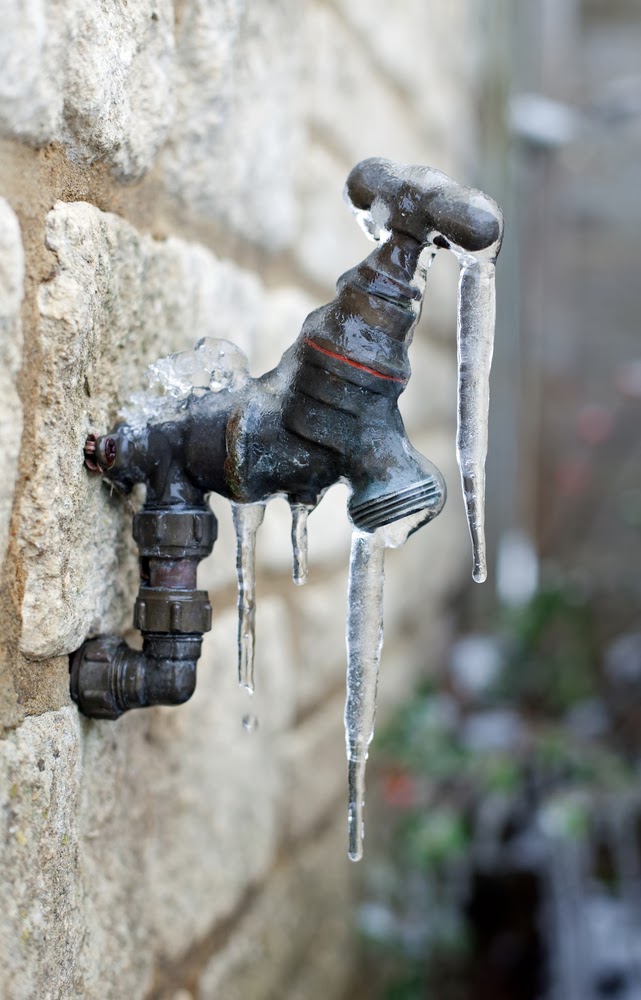
Keep Your Water Pipes From Freezing

The weather is freezing, but your pipes don't have to be! Keep your water flowing with these preventative steps to stop your pipes from freezing. They will also help your home be more energy efficient since you will be fixing areas in the home that cause heat and energy to be lost. 

Outside your home:

Remove, drain, and store hoses used outdoors. Close inside valves supplying outdoor hose bibs. Open the outside hose bibs to allow water to drain. Keep the outside valve open so that any water remaining in the pipe can expand without causing the pipe to break.


Home Insulation:

The insulation is your home is the number one thing preventing frozen pipes. Assess the insulation in your home in the areas where plumbing pipes are located. Good insulation keeps the warm air inside your home.

Air Leaks:

It's important to stop any flow of cold air into your home if you want to prevent frozen pipes. Check out our previous article, How To Detect and Seal Air Leaks for tips. 


Your Plumbing Pipes:

Adding insulation to your plumbing pipes is a great way to prevent them from freezing. There is specially designed insulation available for this purpose. Be sure to insulate the pipes in colder areas, such as an attic or basement. 


If all else fails:

When the weather is very cold outside, let the cold water drip from the faucet served by exposed pipes. Running water through the pipe helps prevent pipes from freezing.

Frozen pipes can break and cause water leaks, flooding your home and causing significant damage. Hope our tips will help you prevent your pipes from freezing this winter!

Monday, 3 February 2014

Winter Savings Tips

We have been having an exceptionally cold winter this year and it can be tough to cope with rising energy bills. Check out our top tips to save both energy and money. These small actions can add up to big savings!
  1. If you have a fireplace, remember to close the  flu.  This is one of the areas that so many homeowners forget about when it gets cold. 
  2. On sunny days, keep shades and curtains open. If you keep your shades and curtains open during the sunniest hours of the day, you’ll allow the sun’s heat to penetrate the room.
  3. Use the proper insulation. Spaces like your attic, walls and basement need the right amount of insulation to ensure the least amount of heat loss. Have a professional inspect the areas of your home that could use additional insulation.
  4. Remove window air conditioners. No matter how sealed your window air conditioners are, leaving them in during the winter is the perfect way to allow cold air in and let heat escape. 
  5. Use a programmable thermostat. Set it to automatically turn down at night and when you are away during the day.
  6. Check your furnace filter and change or clean it as needed. A dirty filter makes your furnace work harder to circulate air and wastes energy.
  7. Unblock the vents. Go around each room in your home and make sure the vents are not blocked by furniture. The more heat that can filter through the vents, the more efficient they will run.

Monday, 13 January 2014

Test Your Energy IQ

What you don't know about energy can cost you! Test your energy IQ and then read through our answers for advice that could help lower your energy bills and make your home greener.

1. In the typical home, which items use the most energy?
a) Household appliances
b) Water heater
c) Lighting
d) Heating and air conditioning

D. According to Natural Resources Canada, heating and cooling account for 65% of the typical homes energy use. That is why it is so important to have an efficient heating and cooling system. Learn more about your options to upgrade your heating system here.

2. What is the name of the government program that is designed to acknowledge energy-efficient products?
a) Super Energy
b) Energy Star
c) Energy Guide
d) Super Star

B. ENERGY STAR® is the trusted, government-backed symbol for energy efficiency helping us all save money and protect the environment through energy-efficient products and practices. At National Home Services we proudly install ENERGY STAR® qualified products.

3. What is the average lifespan of a furnace?
a) 5 years
b) 10 years
c) 15 years
d) 20 years

C. According to Lennox, a leading provider of high-efficiency home comfort systems, the answer is 15 years. If your furnace is more than 15 years old, consider replacing it with a new ENERGY STAR® qualified system that will be more energy efficient and can help lower utility bills. For example, a new 95% efficient dual stage furnace can save you more than $800 each year, compared with an older furnace with a 60% AFUE rating. Click here for more information on these savings.

How did you do? Do you need to work on your Energy IQ or are you an expert? If you want to increase your knowledge here are a few links to help you become an eco expert:

Thursday, 19 December 2013

Be Bright: Light Smart!

Be bright and light smart this holiday season!

Here at National Home Services, we are big fans of ENERGY STAR qualified products. Did you know ENERGY STAR qualified decorative lights consume 70% less energy than conventional light strands? Updating outdoor holiday lighting to ENERGY STAR LEDs could save you over $50 per year for the average sized household! They also stay cool to the touch, making your lights safer and reducing fire risks. For more information, check out Natural Resource Canada’s Office of Energy Efficiency information on energy efficient lighting. Keep reading for more smart lighting tips:

  • Avoid leaving indoor and outdoor decorative lights on all day and night. 
  • Put your seasonal lights on a timer to enjoy in the evening and to lower your energy consumption. Not only will you save energy, automatic timers remove the hassle of plugging and unplugging your lights every night. They also make sure you never miss a night and forget to turn on the lights. 
  • Set lights to switch on at 7 pm during weekdays to avoid electricity peak hours.
  •  Remember to turn off holiday lighting when you leave home for extended periods of time.
  • Candles can set a beautiful mood at holiday events and family gatherings. Get creative! Placing mirrors behind a group of candles or underneath a centrepiece reflects the light and creates a warm glow.

With these tips, enjoy an energy-saving holiday season that is merry and bright!


Wednesday, 20 November 2013

FIve Savings Tips for Your Heating Bill


You don't have to suffer the cold to save on your heating bill. Try our 5 tips to save on your heating bill, be more energy efficient, and stay cozy and comfortable at the same time. 
  1. Use a programmable thermostat. We've talked about thermostats before. Click HERE to read more. Program your thermostat to match your schedule. To maximize savings without sacrificing comfort, program the thermostat to lower the heat by 5ºC or more when you are away from home and save about $180 per year! 
  2. Insulate and seal leaks. Use caulk, spray foam and weather striping to insulate against winter heat loss. Check out our tips HERE and HERE. Install a door sweep to seal the gap between the bottom of the door and the frame to stop your warm air from escaping. 
  3. Check your system's wire filter every month. If it's dirty, change it. Dirt and neglect are the top causes of heating system failure and a dirty filter makes your furnace work harder, wasting energy. 
  4. Use a space heater. Radiant heaters direct exactly where you want it. Warm your immediate surroundings and turn down the temperature on your thermostat to cut your energy usage. 
  5. If your system is more than 10 years old, consider replacing it with a newer, more efficient ENERGY STAR certified model. Learn more about energy efficient furnaces HERE

Wednesday, 13 November 2013

Top 3 Ways to Reduce Your Carbon Footprint


Last week we covered what your carbon footprint is and how to calculate it. (Read that post here). Today we'll go over our top 3 ways to reduce your carbon footprint.

            1. Transportation accounts for a big portion of your  carbon footprint. Try to take the most energy efficient methods of travel whenever possible: biking, walking, or carpooling.
            2. Home energy use is the next largest portion of your carbon footprint. Try setting your thermostat at a moderate temperature to lower energy costs. Better yet, install a smart thermostat like the SmartStat. The SmartStat pays attention to how you consume energy while factoring in the size of your home, number of occupants and type of HVAC system you use to maximize your energy efficiency.
            3. Choose energy efficient appliances for your home. There are many resources to help you learn more about energy efficient home products. Check the Energy Star in Canada website  or read more about energy efficient home home equipment hereA more energy efficient home will lower your utility bills and reduce the emissions that cause climate change.

Thursday, 7 November 2013

What is Your Carbon Footprint?


Our daily activities such as driving back and forth to work, using heat, and the consumption of food and goods causes many polluting gases to be emitted into the atmosphere. For simplicity, these gases are usually referred to in terms of the amount of carbon dioxide produced.

Your carbon footprint is the measure of the total amount of carbon dioxide you produce through these normal daily activities. These harmful emissions contribute to climate change. People concerned about the environment and global warming can try to reduce their carbon footprint by increasing their energy efficiency.

A great way to start is to take stock and calculate your current carbon footprint. Once you know the size of your carbon footprint, you can begin thinking about strategies to reduce or offset it. Just Energy offers a free carbon calculator for individuals, households or companies. Take a look here to find out your carbon footprint: Carbon Calculator.

In our next post, we'll take a look at the top 3 ways to change your habits and reduce your carbon footprint.

Wednesday, 16 October 2013

The Benefits of Renting Your Water Heater

Many homeowners in Ontario choose the comfort and convenience of renting their water heating equipment. What are the benefits of renting your hot water tank?

water heater rental benefits
Learn more about how to rent your water heater at nationalhomeservices.ca. 

Tuesday, 1 October 2013

Green Home How Tos: Detecting and Sealing Air Leaks

Reducing the amount of air that leaks in and out of your home is a cost-effective way to cut your heating and cooling costs, increase comfort, and create a healthier indoor environment. Caulking and weatherstripping are two simple and effective air-sealing techniques that are easy to do and offer quick returns on investment. We've already covered weatherstripping in a previous post.

Today we'll talk more generally about how to find the source of air leaks in your home. Areas that leak air into and out of your home cost you a lot of money. The areas listed in the illustration are the most common sources of air leaks.


TIPS FOR SEALING AIR LEAKS
  • Test your home for air tightness. On a windy day, carefully hold a lit incense stick or a smoke pen next to your windows, doors, electrical boxes, plumbing fixtures, electrical outlets, ceiling fixtures, attic hatches, and other places where air may leak. If the smoke stream travels horizontally, you have located an air leak that may need caulking, sealing, or weatherstripping.
  • Install foam gaskets behind outlet and switch plates on walls.
  • Look for dirty spots on your ceiling paint and carpet, which may indicate air leaks at interior wall/ceiling joints and wall/floor joists, and caulk them.
  • Cover single-pane windows with storm windows or replace them with more efficient double-pane low- emissivity windows. 
  • Use foam sealant on larger gaps around windows, baseboards, and other places where air may leak out.
  • Cover your kitchen exhaust fan to stop air leaks when not in use.
  • Keep the fireplace flue damper tightly closed when not in use.
  • Seal air leaks around fireplace chimneys, furnaces, and gas-fired water heater vents with fire-resistant materials such as sheet metal or sheetrock and furnace cement caulk.
Hope these tips will help you keep your home clean, green and energy efficient! 

Wednesday, 18 September 2013

Make Your Home Energy Efficient - Weatherstripping

Articles and brochures about energy efficiency often recommend checking your home's sealing and weatherstripping to ensure they are not leaking or creating drafts, letting heat escape and wasting energy and money. However, we've noticed that they usually don't take the time to explain to homeowners how to actually check for air leaks or do any of the required work . Over the next few posts, we'll be examining what homeowners can do themselves with step by step, easy to follow guides. 

First up, weatherstripping. 
What is it and how does it work? 

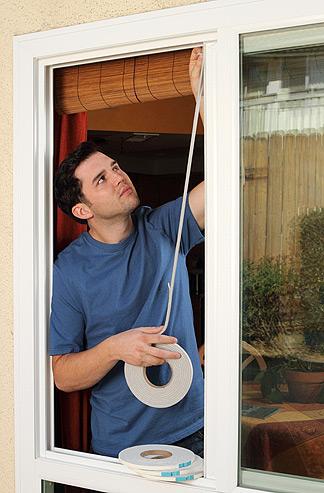
Weatherstripping stops air leaks by sealing cracks and gaps in the movable parts of your home, such as windows and doors. 

How is weatherstripping different from caulking? 

It is simple. Weatherstripping is used for moving parts like openable windows, while caulk is the appropriate material for filling cracks and gaps in unmoving parts of your home. 

How do I choose which kind of weatherstripping to install? 

Evaluate the areas of your home that need weatherstripping and choose a type that will last through the areas weather and potential temperature changes, as well as the wear and tear associated with its location. Choose a product for each specific location. Felt and open-cell foams tend to be inexpensive, susceptible to weather, visible, and inefficient at blocking airflow. However, the ease of applying these materials may make them valuable in low-traffic areas. Vinyl, which is slightly more expensive, holds up well and resists moisture. Metals last for years and are affordable. Metal weatherstripping can also provide a nice touch to older homes where vinyl might seem out of place.

How do I apply the weatherstripping? 

To determine how much you will need, measure the perimeter of all the windows and doors you plan on weatherstripping and add 5 to 10 per cent more to account for any waste or mistakes. Consult the instructions on the weatherstripping package. Here are a few extra tips: 

  • Always apply to a clean and dry surface
  • Apply one continuous strip on each side. That means- measure carefully before you cut. 
  • Select a thickness that causes the weatherstripping to press tightly between the door and door jamb, but doesn't make it too difficult to shut. 
For more information and an informative chart detailing where to install which type of weatherstripping, check out http://energy.gov/energysaver/articles/weatherstripping

Thursday, 12 September 2013

Fall Home Maintenance Tips


As the temperature drops and the season changes from summer to fall, homeowners have a new batch of chores and challenges to face. To prepare for winter, there are a few things you can do now to help your home be as ecofriendly as possible.
  • It is a great time to tidy up the yard and clean out your gutters before winter comes. Put your raked leaves and other yard waste in a compost bin and keep these materials out of landfills.
  • Be prepared. Find out if maintenance is required to keep your heating system operating efficiently and schedule a service call before the busy season starts.
  • Keep out drafts by sealing leaky windows. You can use a heavy-duty, clear plastic sheet or tape clear plastic film to the inside of your window frames during the cold winter months.
  • Fall is the best time to clean the chimney and get vent systems checked. Pipes must be properly connected and there should be no signs of rust or damage.
  • If you have a window air conditioner unit, it is time to remove it for the winter. If the AC must stay in place, seal it with caulking or tape and cover with an airtight insulated jacket.
  • Winterize your home by caulking and weather-stripping all doors and windows. Check caulking around windows and do touch ups to reduce drafts and conserve energy. If you have questions about how to do this properly, check back here next week for our next post on how to install weather-stripping and caulking.
Happy fall to all of our customers and readers! Enjoy this beautiful season!