Showing posts with label winter. Show all posts

Monday, 10 March 2014

Tips to Keep Your Furnace Healthy

It has been a tough winter. The last thing you want now after surviving ice storms and heavy snow is a furnace breakdown. How can you help prevent the expense and inconvenience of a broken furnace and a freezing home? Read on for our tips on keeping your furnace healthy, and your home warm and cozy.

  • Change your furnace filter at least 4 times a year. Even if it looks clean, it is still recommended to change the filter. Often furnaces break down because the filter has not been changed and it is clogged with dirt. This restricts the airflow and put your furnace fans and motors under stress. Changing the filter is a cheap and easy way to keep your furnace healthy. 
  • Have an annual maintenance checkup and ensure your furnace is serviced once a year. The blower and the motor should be checked by a professional. 
  • Consider signing up for a heating protection plan. National Home Services heating protection plan offers unlimited service calls and same day service. That way, if your furnace breaks down, you can get it fixed right away without an unexpected expensive repair bill. The repair cost is covered by your monthly protection plan fee. 
  • Call an expert when your furnace malfunctions. Don't try to fix it yourself. In Ontario, you want to ensure your technician is licensed to work on your type of equipment, whether it is electric or natural gas powered. 
  • If you have done any renovations, have your air ducts cleaned to remove dirt and dust. 

Bonus tip: To protect your home and family, test your smoke and carbon monoxide detectors to make sure they are working properly. Replace the batteries as needed and make sure you have one of each detector on every floor in your home.


Tuesday, 25 February 2014

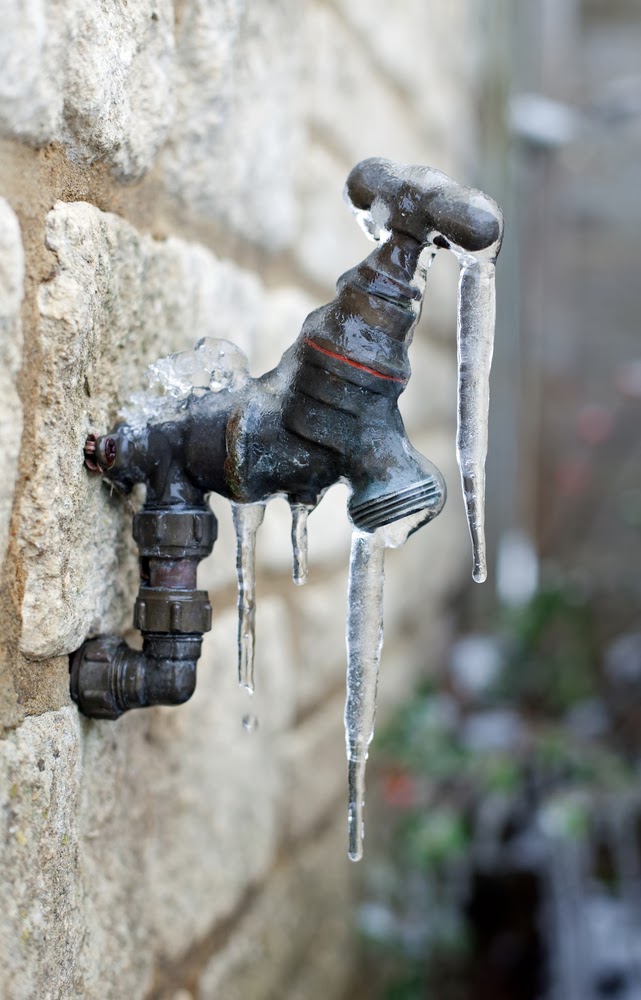
Keep Your Water Pipes From Freezing

The weather is freezing, but your pipes don't have to be! Keep your water flowing with these preventative steps to stop your pipes from freezing. They will also help your home be more energy efficient since you will be fixing areas in the home that cause heat and energy to be lost. 

Outside your home:

Remove, drain, and store hoses used outdoors. Close inside valves supplying outdoor hose bibs. Open the outside hose bibs to allow water to drain. Keep the outside valve open so that any water remaining in the pipe can expand without causing the pipe to break.


Home Insulation:

The insulation is your home is the number one thing preventing frozen pipes. Assess the insulation in your home in the areas where plumbing pipes are located. Good insulation keeps the warm air inside your home.

Air Leaks:

It's important to stop any flow of cold air into your home if you want to prevent frozen pipes. Check out our previous article, How To Detect and Seal Air Leaks for tips. 


Your Plumbing Pipes:

Adding insulation to your plumbing pipes is a great way to prevent them from freezing. There is specially designed insulation available for this purpose. Be sure to insulate the pipes in colder areas, such as an attic or basement. 


If all else fails:

When the weather is very cold outside, let the cold water drip from the faucet served by exposed pipes. Running water through the pipe helps prevent pipes from freezing.

Frozen pipes can break and cause water leaks, flooding your home and causing significant damage. Hope our tips will help you prevent your pipes from freezing this winter!

Monday, 3 February 2014

Winter Savings Tips

We have been having an exceptionally cold winter this year and it can be tough to cope with rising energy bills. Check out our top tips to save both energy and money. These small actions can add up to big savings!
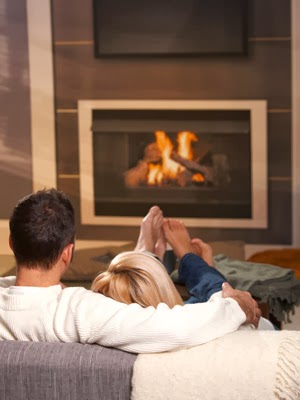
  1. If you have a fireplace, remember to close the  flu.  This is one of the areas that so many homeowners forget about when it gets cold. 
  2. On sunny days, keep shades and curtains open. If you keep your shades and curtains open during the sunniest hours of the day, you’ll allow the sun’s heat to penetrate the room.
  3. Use the proper insulation. Spaces like your attic, walls and basement need the right amount of insulation to ensure the least amount of heat loss. Have a professional inspect the areas of your home that could use additional insulation.
  4. Remove window air conditioners. No matter how sealed your window air conditioners are, leaving them in during the winter is the perfect way to allow cold air in and let heat escape. 
  5. Use a programmable thermostat. Set it to automatically turn down at night and when you are away during the day.
  6. Check your furnace filter and change or clean it as needed. A dirty filter makes your furnace work harder to circulate air and wastes energy.
  7. Unblock the vents. Go around each room in your home and make sure the vents are not blocked by furniture. The more heat that can filter through the vents, the more efficient they will run.

Thursday, 19 December 2013

Be Bright: Light Smart!

Be bright and light smart this holiday season!

Here at National Home Services, we are big fans of ENERGY STAR qualified products. Did you know ENERGY STAR qualified decorative lights consume 70% less energy than conventional light strands? Updating outdoor holiday lighting to ENERGY STAR LEDs could save you over $50 per year for the average sized household! They also stay cool to the touch, making your lights safer and reducing fire risks. For more information, check out Natural Resource Canada’s Office of Energy Efficiency information on energy efficient lighting. Keep reading for more smart lighting tips:

  • Avoid leaving indoor and outdoor decorative lights on all day and night. 
  • Put your seasonal lights on a timer to enjoy in the evening and to lower your energy consumption. Not only will you save energy, automatic timers remove the hassle of plugging and unplugging your lights every night. They also make sure you never miss a night and forget to turn on the lights. 
  • Set lights to switch on at 7 pm during weekdays to avoid electricity peak hours.
  •  Remember to turn off holiday lighting when you leave home for extended periods of time.
  • Candles can set a beautiful mood at holiday events and family gatherings. Get creative! Placing mirrors behind a group of candles or underneath a centrepiece reflects the light and creates a warm glow.

With these tips, enjoy an energy-saving holiday season that is merry and bright!


Tuesday, 17 December 2013

8 Tips to Curb Your Waste


The Holiday season is here! Whether your plans include hosting or traveling, use our 8 tips to curb your waste and your carbon footprint. 
  1. Take inventory on the pantry. If you can avoid a trip to the store, you'll save time, fuel and money. 
  2. When you've used up an ingredient, make sure to rinse the container and recycle. 
  3. If you are cooking the turkey in an aluminum pan, don't throw it away! By clearing it of all food waste and rinsing it out, you may be able to recycle it instead. As always, be sure to check with your city to make sure. 
  4. Serve cans of beer without fear. Aluminum is infinitely recyclable and easier to process than glass. Consider making the switch to cans this season. 
  5. Pack the freezer with your leftover turkey and fixings instead of throwing away. The fuller the freezer, the more efficient it becomes. Save energy and prevent food waste from heading to the landfill. 
  6. Don't want leftover dry goods to go stale? Consider sharing your extra food with the less fortunate this season. Prevent food waste by helping someone in need. Donate to a food bank or shelter. 
  7. Holiday traffic is the worst! Spare yourself the trouble and hit the road early. Stop-and-go driving adds wear and tear to your vehicle and the environment. Beat the rush and do them both a favour. 
  8. Give the host or hostess a real gift, not extra trash. Wrap presents in recyclable or reusable materials. 
Happy Holidays! Good luck managing your "waste" line this year! 

Friday, 29 November 2013

Indoor Humidity - What is the ideal level for your home?

The humidity level in your home is important for your skin, throat and overall health, but did you know that it is also vital to the health of your home? If the humidity level dips too low, furniture can deteriorate and certain germs will thrive.  What humidity level should you keep in your home for ideal comfort and indoor air quality? 
For optimal comfort and health, studies show that indoor humidity moisture levels should be in the range of 35% to 50%. 
During the winter, the humidity level drops because cold air holds less moisture than warm air. Forced air heating increases dryness because furnaces use combustion to create heat which burns out most of the water vapour from the hot air. To make matters worse, when humidity levels dip the air feels cooler than more humid environments, and we turn up the heat to compensate.
Low humidity causes static electricity, dry skin and hair, increased susceptibility to colds and respiratory illness, and can allow viruses and germs to thrive. Wood floors, furniture and millwork can split and crack. Adding a humidifier to your home can help with these problems. There are three standard methods for adding humidity to your home: 
  • Evaporation: Adding moisture to the air is as simple as placing a container of water near a radiator or other air heating system. Leaving wet towels and clothes out to dry is another ways to introduce moisture into the air. This is a very low-tech and low power method, and won't have a big effect on the indoor humidity level. 
  • Portable/Room: The most common type of humidifier is a portable one. There are two types: cool mist and warm mist, both of which use a a reservoir to hold water. The pros of portable systems are that they are easy to use, a variety of styles and prices are available, and they can be moved as needed. However, similar to the evaporative method above, control and measure of relative humidity is limited, and the reservoir must be refilled about every 24 hours.
  • Whole House: This is the most controllable humidity system. A whole house humidifier is added to a furnace. Vapour is distributed directly into the heated air and circulated throughout the house via the furnace duct system. Humidity levels are controlled via a humidistat, and the method has the greatest humidification capacity and is most consistent.

Wednesday, 20 November 2013

FIve Savings Tips for Your Heating Bill


You don't have to suffer the cold to save on your heating bill. Try our 5 tips to save on your heating bill, be more energy efficient, and stay cozy and comfortable at the same time. 
  1. Use a programmable thermostat. We've talked about thermostats before. Click HERE to read more. Program your thermostat to match your schedule. To maximize savings without sacrificing comfort, program the thermostat to lower the heat by 5ºC or more when you are away from home and save about $180 per year! 
  2. Insulate and seal leaks. Use caulk, spray foam and weather striping to insulate against winter heat loss. Check out our tips HERE and HERE. Install a door sweep to seal the gap between the bottom of the door and the frame to stop your warm air from escaping. 
  3. Check your system's wire filter every month. If it's dirty, change it. Dirt and neglect are the top causes of heating system failure and a dirty filter makes your furnace work harder, wasting energy. 
  4. Use a space heater. Radiant heaters direct exactly where you want it. Warm your immediate surroundings and turn down the temperature on your thermostat to cut your energy usage. 
  5. If your system is more than 10 years old, consider replacing it with a newer, more efficient ENERGY STAR certified model. Learn more about energy efficient furnaces HERE

Thursday, 12 September 2013

Fall Home Maintenance Tips


As the temperature drops and the season changes from summer to fall, homeowners have a new batch of chores and challenges to face. To prepare for winter, there are a few things you can do now to help your home be as ecofriendly as possible.
  • It is a great time to tidy up the yard and clean out your gutters before winter comes. Put your raked leaves and other yard waste in a compost bin and keep these materials out of landfills.
  • Be prepared. Find out if maintenance is required to keep your heating system operating efficiently and schedule a service call before the busy season starts.
  • Keep out drafts by sealing leaky windows. You can use a heavy-duty, clear plastic sheet or tape clear plastic film to the inside of your window frames during the cold winter months.
  • Fall is the best time to clean the chimney and get vent systems checked. Pipes must be properly connected and there should be no signs of rust or damage.
  • If you have a window air conditioner unit, it is time to remove it for the winter. If the AC must stay in place, seal it with caulking or tape and cover with an airtight insulated jacket.
  • Winterize your home by caulking and weather-stripping all doors and windows. Check caulking around windows and do touch ups to reduce drafts and conserve energy. If you have questions about how to do this properly, check back here next week for our next post on how to install weather-stripping and caulking.
Happy fall to all of our customers and readers! Enjoy this beautiful season!

Thursday, 31 January 2013

Mythbusters - Energy Edition


Today we will tackle some of the biggest misconceptions about saving energy.

The Myth
This time of year, we are all trying to find ways to save on our winter heating bills. We are frequently told that keeping your thermostat at the same level all winter is more energy efficient than adjusting it up and down.
The Truth
Turning your heat down when you go to bed or when you leave the house for long periods of time will save money and energy. It is true that it’s better not to turn it down if you will only be out for a short period.


The Myth
Anything not in use should be shut off; therefore, turning off your electric hot water heater when you are away for a weekend or overnight will save energy.
The Truth
While it seems like good sense to shut off anything electronic when not in use, turning off your electric water heater results in very little savings. Water heaters are well insulated and retain their heat for a long time.

What other energy savings myths can you think of? We will be examining more myths in our next post.

Wednesday, 23 January 2013

Winter Savings Tips

It can be tough to cope with rising energy bills through the winter. Check out our top tips to save both energy and money. These small actions can add up to big savings!


  1. Close the fireplace flu – this is one of the areas that so many homeowners forget about when it gets cold. Simply close the damper which helps keep heat in and cold out.
  2. Keep shades and curtains open – if you keep your shades and curtains open during the sunniest hours of the day, you’ll allow the sun’s heat to penetrate the room,and your thermostat will run less.
  3. Use the proper insulation – spaces like your attic, walls and basement need the right amount of insulation to ensure the least amount of heat loss. Have a professional inspect the areas of your home that could use additional insulation. This is a tip that will also help during the warmer months too!
  4. Remove window air conditioners – no matter how “sealed” your window air conditioners are, leaving them in during the winter is the perfect way to allow cold air in and let heat escape. Remove them from the windows before it gets cold.
  5. Use a programmable thermostat – set it to automatically turn down at night and when you are away during the day.
  6. Check your furnace filter – change or clean it as needed. A dirty filter makes your furnace work harder to circulate air and wastes energy.
  7. Check your windows for air leakages – there are inexpensive solutions to stop energy loss, like window kits and weather stripping.
  8. Unblock the vents – go around each room in your home and make sure the vents are unblocked by furniture. The more heat that can filter through the vents, the more efficient they will run.

Friday, 18 January 2013

Wavering Winter Weather


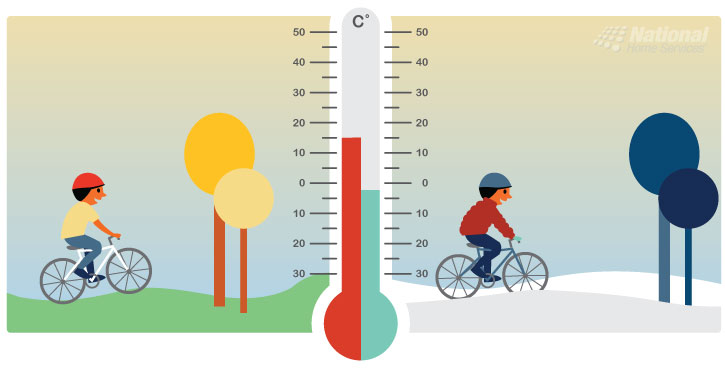
With unseasonably warm temperatures hitting most of eastern Canada, lately it feels more like spring than the middle of January. Last weekend, daytime highs broke records in over 20 communities- Toronto set a new record with a high of 14.8 °C on Sunday. And, while for many parts of Ontario and Quebec, the end of 2012 brought a lot of snowfall, temperatures across both provinces were actually warmer than normal in December.

So how do we deal with these wavering weather patterns? Do you feel like you are constantly adjusting the thermostat up and down? Do you feel too hot and too cold within one afternoon? One solution is an advanced programmable thermostat, like a SmartStat. This wi-fi connected thermostat takes live weather forecasts in account to maintain the temperature of your home. It keeps you comfortable and maximizes energy efficiency as well. Cutting back on the amount of energy you use is going to translate into cost savings as well.

What other methods do you use to stay comfortable when the weather is wavering between warm and cool? Comment below and let us know your tips!

Monday, 24 December 2012

Interesting Facts About Diverse Holidays


Here are just some of the holy days celebrated in many homes and communities across Canada this time of year:
  • Christmas is December 25, but many Canadians of Central and Eastern European origin celebrate the holiday earlier in December or on January 7.

  • Hanukkah (December 8 to 16, 2012; November 27 to December 5, 2013) is celebrated by people of the Jewish faith.

  • Kwanzaa (December 26 to January 1) is marked by many people of African origin.

  • Buddhists celebrate Bodhi Day in early December.

  • Guru Gobind Singh's Birthday is celebrated by those of the Sikh faith in January 2013.

  • Eid-ul-Adha, the Islamic Feast of Sacrifice, is the most important feast of Islam and was celebrated in October 2012. There is also Eid-al-Fitr (August) and the Islamic New Year Al-Hijira in November. Ramadan will next be observed in July 2013.

  • Diwali, the festival of lights (celebrated by those of the Sikh and Hindu faiths) will next be observed in November 2013.

Friday, 21 December 2012

Stay Eco-Smart While Entertaining


Here is the last post in our series an energy efficient holiday season! Today we will focus on keeping your home appliances running efficiently while entertaining and baking.

Kitchen Tips

  • Keep the oven closed and use your oven light to check cooking progress. Your oven loses heat every time you open it to check on your baking.
  • Wash dishes by hand, but don't keep the water flowing. Fill the sink once and rinse your dishes in cool water.
  • Wait until you have a full load to run your dishwasher.
  • Cook smart – plan out that meal to make the most of oven time. Turkey roasting at 400 degrees? Choose sides that can go in the oven at the same temperature.
  • Embrace leftovers – ask everyone to bring a reusable container to fill with leftovers to take home.
  • Make it easy – put out clearly labeled trash, compost and recycling containers so your guests don’t have to guess what goes where.

Vacation tips
  • Unplug your appliances while you are away to stop them from draining unnecessary energy
  • Turn your heat down (but not off!) and shut the doors of unused rooms
  • Check if your water heater has a vacation setting and use it while you are out of town


Most of all enjoy spending time with your family and loved ones and enjoy the last week of 2012!

Monday, 17 December 2012

The Season for Giving

Tis the season for giving! Here at National Home Services, we are gathering donations of toys and gifts to support the Agincourt Community Services Association. We are thrilled to think of the smiles and joy these toys will bring when they are delivered.

During this time of giving, we try our best to remember to be green whenever possible. We are delivering our donations unwrapped but, one of the biggest areas of holiday waste is in packaging and wrapping.

Check out our tips to reduce the amount of packaging and wrapping you use.

  • Try out reusable wrapping ideas, like cloth bags, baskets and boxes.
  • Recycle your newspapers, brown paper bags or Christmas flyers into wrapping paper.
  • Instead of sending Christmas cards, send e-cards to your friends and loved ones.
  • Bring your own bags when shopping. Keep them in your purse or car so they are nearby when needed.
  • Think about alternative gifts that require no wrapping, like theatre tickets, museum passes, or gift certificates.
  • Give homemade gifts like these Gifts in a Jar. Check here for more recipes.

  • If everyone in Canada wrapped just three gifts in reused paper or gift bags, it would save enough paper to cover 45,000 hockey rinks!

    Wednesday, 5 December 2012

    Light up your life!

    Did you know Energy-Star qualified decorative lights consume 70% less energy than conventional light strands?

    To become Energy Star qualified, products must meet stringent efficiency and quality requirements. Ditch your old lights and invest in Energy Star qualified LEDs. They can last up to 10 times longer, and have a 3-year warranty, saving you in the long term. They also stay cool to the touch, making your lights safer and reducing fire risks. For more information, check out Natural Resource Canada’s Office of Energy Efficiency information on energy efficient lighting.

    Stay tuned for more tips on having an energy efficient holiday season throughout the month of December!


    The amount of energy consumed by just 1 seven-watt old-style incandescent bulb could power 140 LEDs!