Friday, 14 June 2013

Saving Water in Your Garden


Saving water in your garden is a great habit and can translates to saving money on your water bill. Here are some tips on how to practice garden water conservation and still have a gorgeous yard.
  • Choose Native plants. Native plants are adjusted to your area’s normal rainfall, soil conditions and climate. Once they have been established, they require little or no watering. The Ontario Ministry of Natural Resources offers a guide with plenty of suggestions for Southern Ontario residents.  Click here to access the guide.
  • Add mulch. Mulching around plants is a great way to reduce water loss plus it looks great. Mulch also cuts down on water-stealing weeds. Natural mulches include compost, bark chips, and pine needles. Save money by spreading your grass clippings and ground-up leaves on flower and vegetable gardens. These organic mulches gradually break down and add nutrients to the soil.
  • Manage your grass carefully. A green lawn can drink up to 70,000 litres of water each year! You can keep the lawn and manage your water use by planting drought-resistant varieties of grass like bermuda and buffalo grass which require 20% less water than some other common lawn grasses. It’s also a good idea to keep your grass long to shade the roots and slow evaporation. Mow less often and when you do, raise the height of your mower blade to 3 inches.
Follow these tips and you could have it all- a beautiful lawn, a lower water bill and a smaller environmental footprint. 

Tuesday, 4 June 2013

Reducing Paper Waste


We are proud of our green billing program and the paper it saves. Canadians use 6 million tonnes of paper annually and only 1/4 of Canada’s waste paper and paperboard ends up being recycled. Working to reduce paper usage is one of the easiest ways to make a difference and reduce your carbon footprint. 

Here are National Home Services top tips for reducing your paper waste:

  • Choose e-billing and paperless billing options whenever possible. Most companies now offer email or paperless billing and can even email receipts instead of printing. Choose these paper saving options whenever you can. 
  • Set up a whiteboard or chalk board for to-do and shopping lists. 
  • Print and photocopy on both sides of the paper.    
  • Make it easy! Place recyling bins in easily accessible area. 
  • Use e-mail as much as possible and avoid paper memos. Only print when you need to.

Wednesday, 8 May 2013

Mother's Day


Mother’s Day is almost here! Sunday May 12 marks a time to celebrate all the special women in our lives who help us grow and prosper.

Here are some tips for a traditional Mother’s Day celebration that is still green and eco-friendly.

  • Take Mom out to a restaurant that embraces local and organic ingredients. If you are having trouble finding one, look on Eat Well guide, an online directory of restaurants, markets and stores that support sustainable agriculture.


  • A beautiful potted plant gives years of enjoyment versus cut flowers which are thrown away quickly. Bonus points if you pick up seedlings at a nursery and spend the day gardening with your mom. Time spent together can be the best gift of all.


  • Book a treatment at an ecofriendly spa. Mother’s Day is a great time to pamper mom at a sustainable spa that uses organic, chemical-free products.


  • Homemade cards are always a hit. Make her a gift and show her you care! The website MothersDayCentral has 151 craft ideas for great keepsakes.

  • Jewelry is a thoughtful gift for any mom. There are a plethora of eco-friendly jewelry options out there, with many new companies creating products whose proceeds go to charity as well. We like The Leakey Collection for beaded jewelry created by workers paid a fair wage and a percentage of the sale in donated back to the community.  

Monday, 6 May 2013

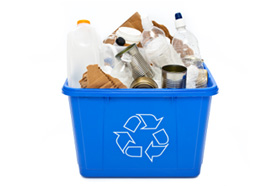
Top 10 Tricky Items for Household Recycling


One of the easiest ways we can all be mindful of our impact on the environment daily is by managing our household recycling. It can be tricky to remember which waste products go in which bin. 
Keep this post bookmarked for a quick reference of our of top tricky reclyling items. 
(Note: this list covers recyclables in the city of Toronto Blue bin program. Outside of this region, please check with your waste management provider if you have questions about what you can recycle.) 


DO recycle 

  • Clear plastic fruit and vegetable containers
  • CD cases 
  • Metal cans (place lid inside can and pinch closed)
  • Aluminum trays, pie plates and roasting pans
  • Aerosol cans (empty; put caps in garbage)
  • Styrofoam cups and trays


DON'T recycle


  • Aluminum foil food wrap
  • Potato chip bags
  • Plastic over-wrap (on pop cartons, water bottles, toilet paper)
  • Milk bags


Important recycling tips


  • Rinse containers to remove residue.
  • Put items in recycling loose, not bagged
  • Remove plastic covers and over-wrap from newspapers, magazines and cases of bottle water or other beverages. 

For more info, check WASTE WIZARD. This search tool lists over 1,500 waste items and how to properly dispose of them.

Monday, 22 April 2013

Earth Day 2013


     Earth Day is the largest environmental event worldwide. It is celebrated every April 22 and more than 6          million Canadians participate in events and projects to benefit local environmental issues.


     What can we do to celebrate Earth Day? 

     Earth Day provides opportunities for positive actions and change. The truth is we need energy to live, to        light our homes and heat our water. There are simple things you can do to conserve energy every day.

     Small Actions, Big Impact.

     Switch to energy efficient light bulbs, walk more, use less water , buy local produce. These little            
     actions add up and can make a big impact. Here at National, we help homeowners reduce their carbon          footprint by offering no charge equipment upgrades, replacing your old home equipment with new energy        efficient models that use up to 20% less energy. Learn more on our website. 

    Check out Earth Day Canada's list of events in Ontario to learn more about what you can do.

Monday, 8 April 2013

Green Spring Cleaning


Keep your Spring Cleaning green with these tips!

  • Throw open the windows and breathe in fresh scents. Toss those spray air fresheners and if necessary, try some natural fresheners like baking soda. 

  • Use spring-cleaning season as a reminder to go paperless. Opt out of as many bulk mail, catalogs and phone books as you can and subscribe to paperless billing. Here at National, our green billing option saves over 1 million sheets of paper a year! We’re proud to do our part in reducing paper waste.

  • Clean up your dirty laundry habits. When the weather is nice, air-dry your clothes on a clothesline, in your backyard or on an indoor stand.

  • Reuse- as you de-clutter and clean, look for alternate uses for your old products. Old clothes and towels can become rags for dusting and cleaning. Old newspapers are great for streak free cleaning of your windows.  

All of us at National Home Services are wishing you a clean and green Spring! 

Thursday, 21 March 2013

What is Earth Hour?


Earth Hour is an annual international lights-out event organized by the World Wildlife Fund (WWF), which asks individuals, businesses and governments around the world to turn off their lights for one hour to raise awareness about the need for urgent climate change action.

Last year, over 13 million Canadians turned off their lights for Earth Hour. This year, Earth Hour is happening on Saturday, March 23 between 8:30 PM – 9:30 PM.

Earth Hour is not just about switching off lights for one hour once a year. It’s about giving people a voice and working together to create a better future for our planet. Many participants are going beyond the hour to commit to lasting action for the planet. It’s a bit like an Environmental New Year, providing a chance to reflect on how our planet is faring and what we can do to help.

Not only is Earth Hour your chance to be part of a global phenomenon, it’s a great opportunity to look at what you can do reduce your carbon emissions. For example, you can:
  • Use less energy every day by turning off your computer monitor when you leave your desk and unplugging the chargers for your cell phones and other devices when you’re not using them
  • Use energy more efficiently in your home by washing your clothes in cold water and replace your appliances with Energy Star model when it’s time for a new one
  • Use renewable energy to meet your household needs, like installing a solar water heating system or switching to a green power supplier

Info courtesy of wwf.ca/earthhour. Visit the website to learn more.