
Wednesday, 18 September 2013

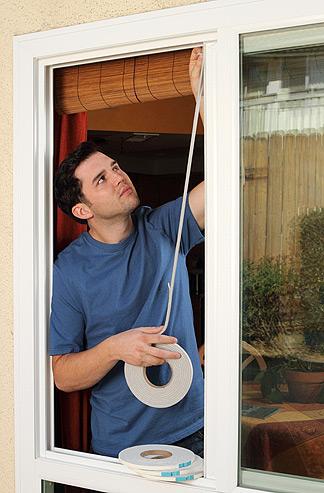
Make Your Home Energy Efficient - Weatherstripping

Articles and brochures about energy efficiency often recommend checking your home's sealing and weatherstripping to ensure they are not leaking or creating drafts, letting heat escape and wasting energy and money. However, we've noticed that they usually don't take the time to explain to homeowners how to actually check for air leaks or do any of the required work . Over the next few posts, we'll be examining what homeowners can do themselves with step by step, easy to follow guides. 

First up, weatherstripping. 
What is it and how does it work? 

Weatherstripping stops air leaks by sealing cracks and gaps in the movable parts of your home, such as windows and doors. 

How is weatherstripping different from caulking? 

It is simple. Weatherstripping is used for moving parts like openable windows, while caulk is the appropriate material for filling cracks and gaps in unmoving parts of your home. 

How do I choose which kind of weatherstripping to install? 

Evaluate the areas of your home that need weatherstripping and choose a type that will last through the areas weather and potential temperature changes, as well as the wear and tear associated with its location. Choose a product for each specific location. Felt and open-cell foams tend to be inexpensive, susceptible to weather, visible, and inefficient at blocking airflow. However, the ease of applying these materials may make them valuable in low-traffic areas. Vinyl, which is slightly more expensive, holds up well and resists moisture. Metals last for years and are affordable. Metal weatherstripping can also provide a nice touch to older homes where vinyl might seem out of place.

How do I apply the weatherstripping? 

To determine how much you will need, measure the perimeter of all the windows and doors you plan on weatherstripping and add 5 to 10 per cent more to account for any waste or mistakes. Consult the instructions on the weatherstripping package. Here are a few extra tips: 

  • Always apply to a clean and dry surface
  • Apply one continuous strip on each side. That means- measure carefully before you cut. 
  • Select a thickness that causes the weatherstripping to press tightly between the door and door jamb, but doesn't make it too difficult to shut. 
For more information and an informative chart detailing where to install which type of weatherstripping, check out http://energy.gov/energysaver/articles/weatherstripping

Thursday, 12 September 2013

Fall Home Maintenance Tips


As the temperature drops and the season changes from summer to fall, homeowners have a new batch of chores and challenges to face. To prepare for winter, there are a few things you can do now to help your home be as ecofriendly as possible.
  • It is a great time to tidy up the yard and clean out your gutters before winter comes. Put your raked leaves and other yard waste in a compost bin and keep these materials out of landfills.
  • Be prepared. Find out if maintenance is required to keep your heating system operating efficiently and schedule a service call before the busy season starts.
  • Keep out drafts by sealing leaky windows. You can use a heavy-duty, clear plastic sheet or tape clear plastic film to the inside of your window frames during the cold winter months.
  • Fall is the best time to clean the chimney and get vent systems checked. Pipes must be properly connected and there should be no signs of rust or damage.
  • If you have a window air conditioner unit, it is time to remove it for the winter. If the AC must stay in place, seal it with caulking or tape and cover with an airtight insulated jacket.
  • Winterize your home by caulking and weather-stripping all doors and windows. Check caulking around windows and do touch ups to reduce drafts and conserve energy. If you have questions about how to do this properly, check back here next week for our next post on how to install weather-stripping and caulking.
Happy fall to all of our customers and readers! Enjoy this beautiful season!

Wednesday, 4 September 2013

Renewable Energy Explained

You see and hear this term all over the place, but what does it really mean? What is renewable energy and what makes it a green energy option? Read our quick explanation below, and be prepared to impress your friends with your new knowledge. 

Renewable energy comes from resources which are continually replenished, such as the wind or the sun. Generally, renewable energy has a much lower carbon footprint than traditional methods of energy production, such as the burning of fossil fuels. Energy from fossil fuels, like coal, oil, and natural gas, come from finite sources that will eventually run out. Collection and burning of fossil fuels also releases harmful carbon emissions into the atmosphere. Renewable energy resources and significant opportunities for energy efficiency exist over wide geographical areas, in contrast to other energy sources, which are concentrated in a limited number of countries.

What are the different forms of renewable energy? Solar power and wind power are two of the most popular forms of renewable energy available on the market today. However, there are other renewable energy sources, such as hydroelectric power, bioenergy, hydrogen conversion, ocean energy and geothermal energy. 


Tuesday, 13 August 2013

Green Grilling and Your Summer BBQ


Summer and barbecues go hand in hand. Unfortunately, your backyard barbecue can cause harmful carbon emissions, especially when used improperly or with outdated equipment. Thankfully, new technology offers options for a lower carbon footprint so that we can happily enjoy the summer barbecue season. Below, find our top tips for having an eco-friendly barbecue.  

If you are in the market for a new grill:
  • Consider an electric grill. They are an economical option and release 99 per cent less carbon monoxide and 91 per cent less CO2 than grilling with traditional charcoal.
  • A natural gas grill is also a good option. Natural gas burns as the cleanest fossil fuel, with a lower carbon footprint than propane.
  • An infrared grill is a good investment if you are willing to spend a bit more. They heat quickly, decrease smoke emissions by up to 80 per cent and use 50 per cent less gas.

 If you already have a barbecue:
  • Select cleaner burning fuels. For charcoal grills, look for organic or natural lump brands. Liquid petroleum gas is an even better alternative as it emits one hundred times less CO2 than the average charcoal briquette. Avoid lighter fluids and self-lighting charcoals, as these fuels release chemicals into the atmosphere.  
  • Don’t preheat too long. Most grills only take five or ten minutes to warm up. Keep track of time and conserve your fuel and energy.
  • Clean your grill regularly. A clean grill means less smoke and less pollution.
  • Use an all-natural grill cleaner green to scrub down your grill when the party is over.
  • Avoid disposable dishes. Use reusable cutlery and washable cloths instead of napkins. If you have to use paper plates, look for biodegradable or  recycled eco-friendly options.

 Do you have any tips we’ve missed? Please share in the comments. 

Wednesday, 24 July 2013

Keep your Summer Holiday Green


If you are getting away for a holiday this summer, follow these tips to help your home save energy while you are away.

  • Turn up your thermostat to 29 degrees. (If you are leaving pets at home, leave it at a comfortable temperature for them). Experts agree that the energy saved from turning your thermostat up in the summer while you're away is greater than the energy used to cool your house back down after you return.
  • Close window blinds and shades to block out the sun's heat. A lot of indoor heat simply comes from the rays of the sun though the windows.
  • Avoid wasting energy on unused electronics while you're away by unplugging them—including hand-held electronics that might be charging, such as phones, MP3 players, chargers, and even laptops.
  • Aside from one or two lights that you may want to leave on for safety, make sure everything else is turned off—all lights, ceiling fans, your radio and appliances.

Wednesday, 10 July 2013

Cool Summer Tips


The summer heat is here and no one wants to think about their energy bills rising with the temperature. It's time to think about how to manage your home energy use. Here are some cooling tips that can help make a big difference in saving energy and money.
  •  Program your thermostat to work around your family's summer schedule. Set it a few degrees higher when no one is home, so that the AC isn’t cooling an empty house. Look into upgrading to a SmartStat smart thermostat to help maximize your energy efficiency.
  • Check your HVAC system's air filter every month. If the filter looks dirty, change it. A dirty filter will slow airflow and make the system work harder to keep you cool, wasting energy.
  • Remember to have your HVAC system serviced annually to ensure it's running at optimum efficiency for money and energy savings. When you upgrade your AC with National Home Services, we provide free annual maintenance and cleaning. How convenient is that?
  • If your central AC is old, look into replacing it with a model that is ENERGY STAR qualified. By replacing your old air conditioner with an ENERGY STAR qualified model, you can realize substantial savings in electricity costs. Today's ENERGY STAR qualified units use 30 to 40 percent less energy than most models sold 10 to 15 years ago. Click here for more information about how easy it is to rent a new energy efficient central air conditioner.